
How Much Does an Accessible Bathroom Remodel Cost?
Accessible bathroom upgrades range from simple grab bar installations ($200 to $500 each) to full barrier-free renovations ($10,000 to $15,000+). Here’s what the most common upgrades cost:
| Upgrade | Cost Range | What’s Included |
|---|---|---|
| Grab bars (per bar) | $200 – $500 | Supply, blocking, installation |
| Comfort-height toilet | $300 – $800 | ADA-height toilet, installation |
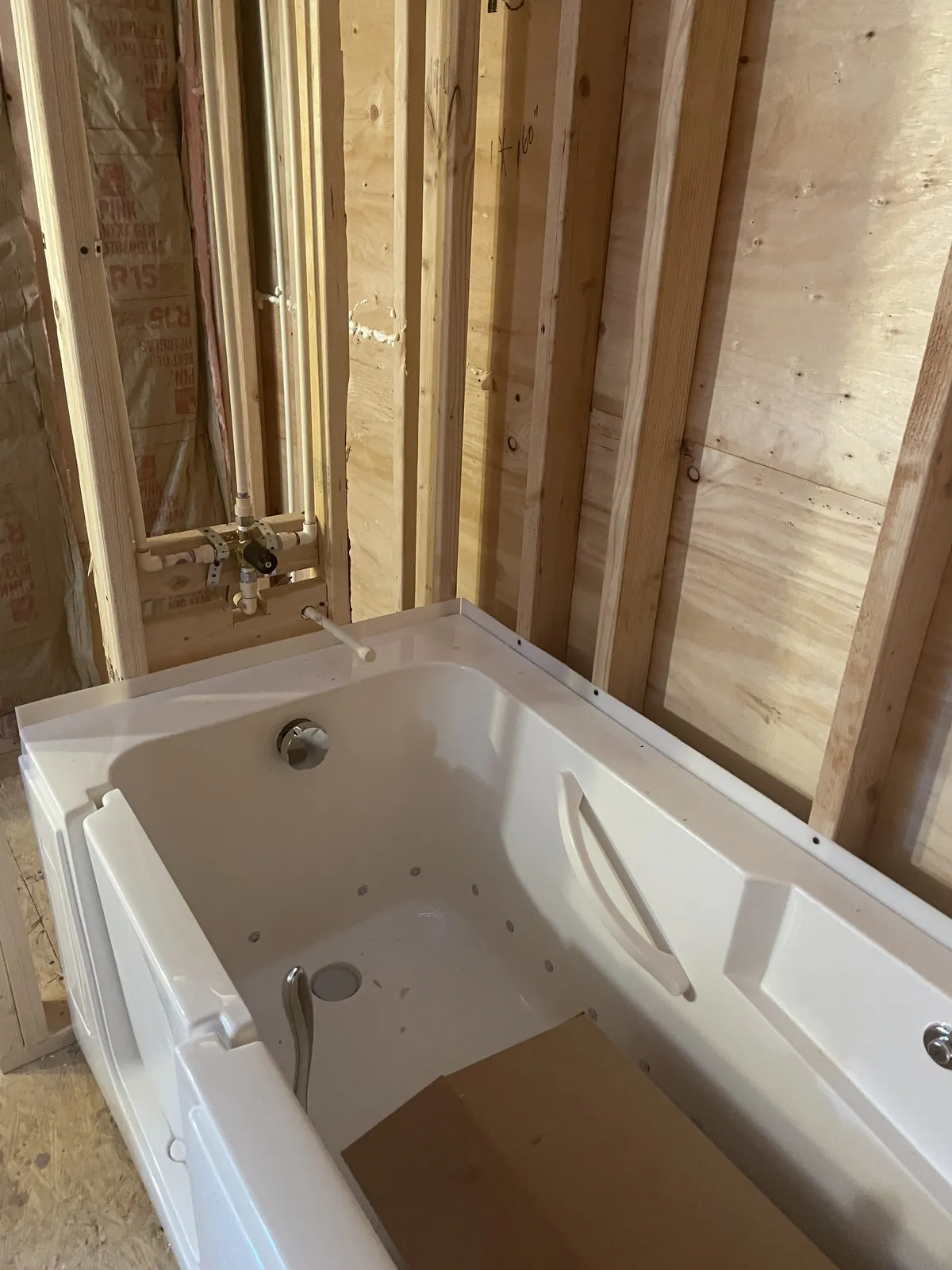
| Walk-in shower conversion | $3,500 – $12,000 | Tub removal, zero-threshold shower, tile, glass |
| Non-slip flooring | $500 – $2,000 | Textured tile or LVP, installation |
| Wider doorway | $500 – $2,000 | Frame modification, new door/hardware |
| Handheld shower with slide bar | $200 – $600 | Fixture, plumbing connection |
| Built-in shower bench | $300 – $1,500 | Tiled bench or fold-down seat |
According to HomeAdvisor, the average accessible bathroom upgrade costs around $9,000, with a typical range of $6,700 to $17,700 for comprehensive modifications.

Who Benefits from Accessible Bathroom Design?
Do Accessible Upgrades Hurt Resale Value?
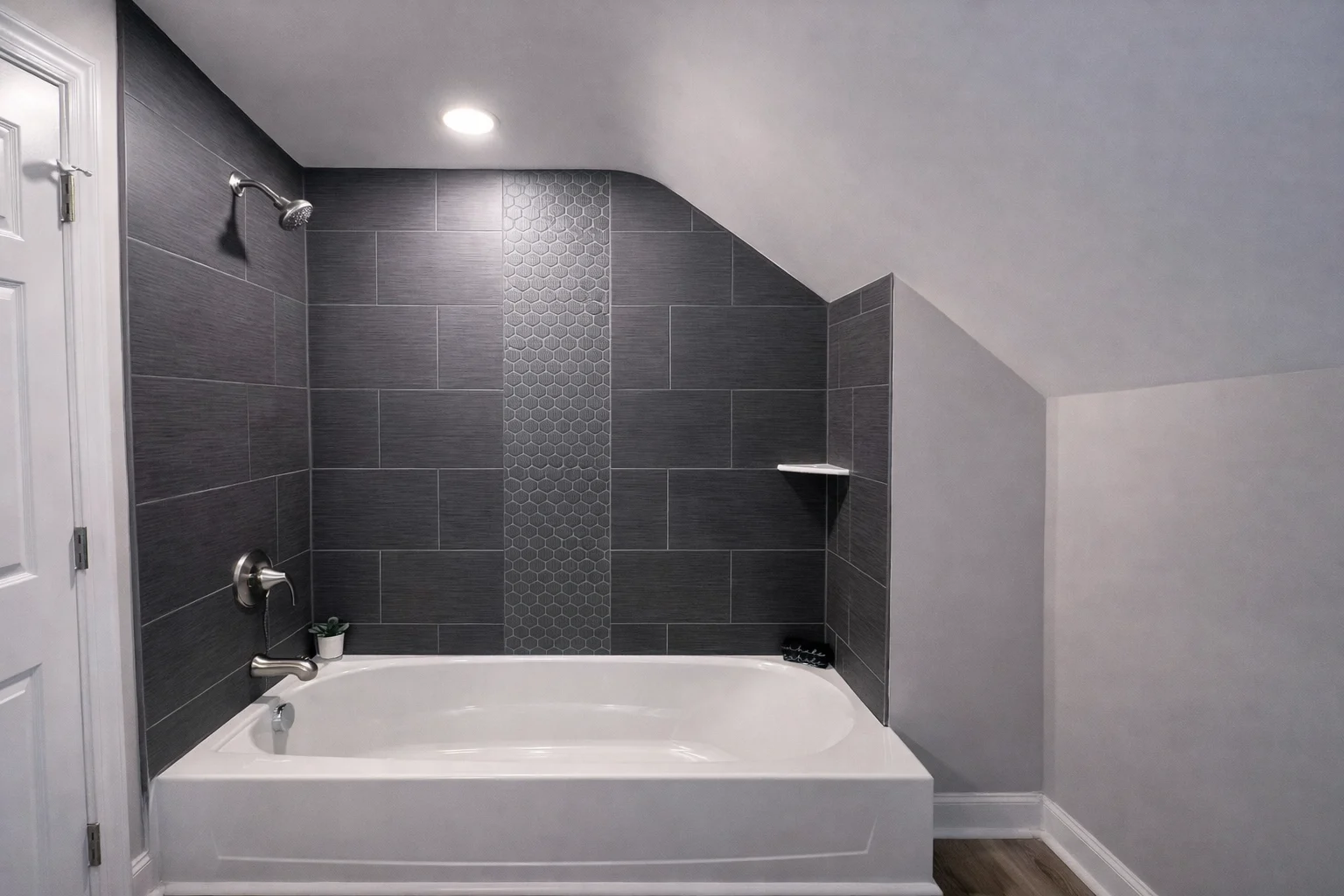
No – the opposite is true when they’re designed well. Modern accessible features like zero-threshold showers, built-in benches, and linear drains look like luxury upgrades. Walk-in showers are one of the most requested features among home buyers. The key is design: accessible doesn’t have to mean institutional. We use the same porcelain tile, frameless glass, and modern fixtures in our accessible builds as in any other bathroom project.
With more than 10,000 Americans turning 65 every day, the buyer pool for accessible homes is growing. A bathroom that works for all ages and abilities appeals to a wider market, not a narrower one.
What Is a Zero-Threshold Walk-In Shower?
A zero-threshold (also called curbless or barrier-free) shower has no step to get in. The shower floor is flush with the bathroom floor, with a slight slope toward the drain. This eliminates the most common tripping hazard in a bathroom. At DeCicco Property Group, we build these with a linear drain, large-format porcelain tile, and proper waterproofing using sheet membrane beneath the tile. The result looks like a high-end spa shower.

What Are the Most Important Accessible Features?
If you’re working with a limited budget, prioritize these upgrades in order of impact:
- Grab bars near the toilet and in the shower – the single most effective fall prevention measure
- Walk-in shower conversion – removes the highest-risk obstacle (stepping over a tub)
- Comfort-height toilet (17 to 19 inches) – easier to sit down and stand up
- Non-slip flooring – textured porcelain tile with a COF rating above 0.60
- Lever-handle faucets – easier to operate than knob-style handles
These five upgrades can be done for $5,000 to $8,000 total and cover the most critical safety and comfort needs.
Does NJ Offer Any Programs for Accessible Modifications?
New Jersey offers several programs that can help offset costs. The NJ Division of Aging Services provides information on home modification assistance. Some municipalities offer property tax exemptions for accessibility improvements. Veterans may qualify for the VA’s Specially Adapted Housing grant. We recommend checking with your local Area Agency on Aging for current program availability in Atlantic, Camden, or Gloucester County.
Should You Plan for Accessibility Now or Later?
Plan now. Adding blocking in the walls for future grab bars during a remodel costs almost nothing. Choosing a curbless shower instead of a tub-shower combo is a design choice, not an added expense. But retrofitting these features later means tearing into finished walls and floors. The NAHB reports that bathroom remodeling was the most common home improvement project in 2025, with 73% of remodelers rating it common to very common. If you’re already remodeling, building in accessibility is the smart move.
Curious about the full cost of a bathroom renovation? Read our guide to how long a bathroom remodel takes or our breakdown of bathroom remodel costs in NJ. Contact DeCicco Property Group to discuss accessible bathroom design for your South Jersey home.